











On Oct. 8, California Governor Gavin Newsom signed the “Real Food, Healthy Kids” Act into law, banning ultra-processed foods from school meals across the state. Following its addition to MVHS, ultra-processed foods will ultimately be phased out within the next 10 years.
Throughout his time in office, Newsom has demonstrated his commitment to making California a national leader in children’s health, from banning harmful food additives to ensuring universal free meals. Additives, harmful substances that enhance the flavor or appearance of food, are linked to a number of health issues, including cardiovascular disease and an increased risk of cancer.
“This first-in-the-nation law builds on that work to make sure every California student has access to healthy, delicious meals that help them thrive,” Newsom said following the signing of the bill.
In response to these changes, the MVLA School District proudly accepts this law, according to MVLA Director of Fiscal Services Elvis Lopez. Lopez said he sees it as a good positive, especially compared to when he was in high school.
“I feel now that they’re really looking at students’ health as we go forward, [and providing] more of a balanced, nutritional meal,” he said.
A large part of the act, according to AB 1264, is banning “ultra-processed foods.” The term, according to the law, is defined as any food that combines additives such as stabilizers, emulsifiers, flavor enhancers, food dyes, or non-nutritive sweeteners with high levels of saturated fat, added sugar, or sodium. According to a recent CDC report, American youth aged 12-18 consumed up to 63% of their total calories from ultra-processed foods, and 32.7% have been identified as prediabetic.
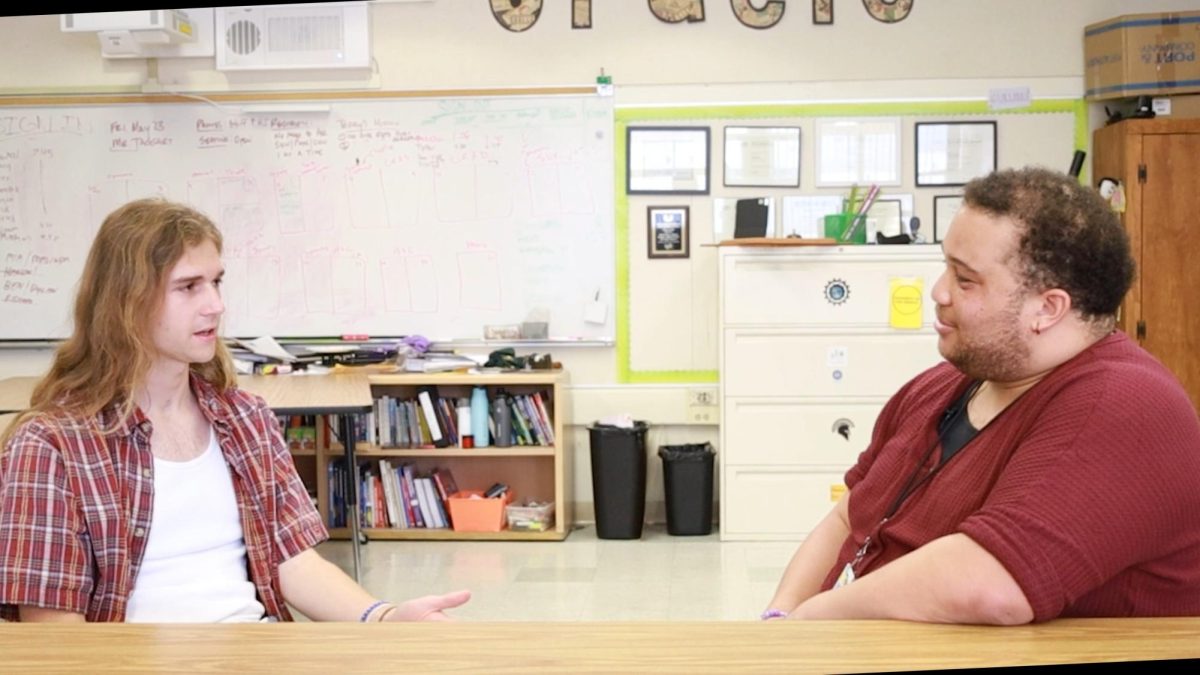
“Processed, ultra-processed, healthy, unhealthy,” MVLA Food Coordinator Bryan Barnhardt said. “These are buzz words that do have different definitions depending on the person that you’re talking to, and I think it’s really important that California is taking this step, because we can actually start to get a black and white definition of what that actually means.”
Despite its acclamation among the district, the law is still very new, meaning that it will be a long process before its complete implementation, Lopez said. According to the Act, by June 2028, the California Department of Public Health must issue detailed regulations, and vendors must begin providing annual reports including product quantities, ingredients, and nutrition facts. In 2029, schools are expected to begin phasing out ultra processed foods, and full compliance will be required by 2035.
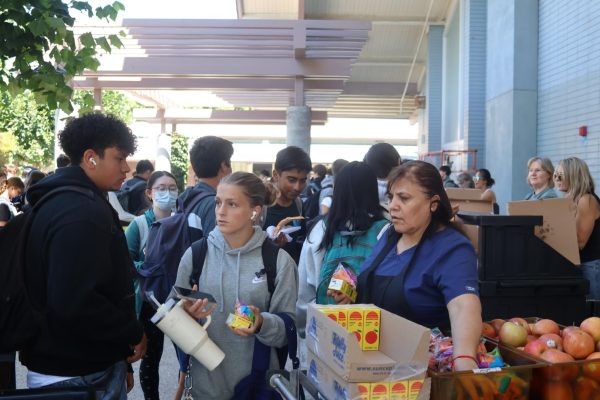
Despite this pivotal change, MVLA doesn’t expect to see too much of a difference. In the past few years, the school district has already complied with new state health regulations and have eliminated some products such as certain cereals, fruit snacks, and other bonus items, according to Barnhardt. Other than that, it’s because the law is still in a very new and transitional period.
“We’re still going to offer a lot of choices and try to make choices that are compliant with the law, able to be accomplished with our budget, and follow food trends and student classes,” Barnhardt said. “But I think overall, we’re here to support students, and we want to make sure that everyone’s enjoying the things they’re getting.”