









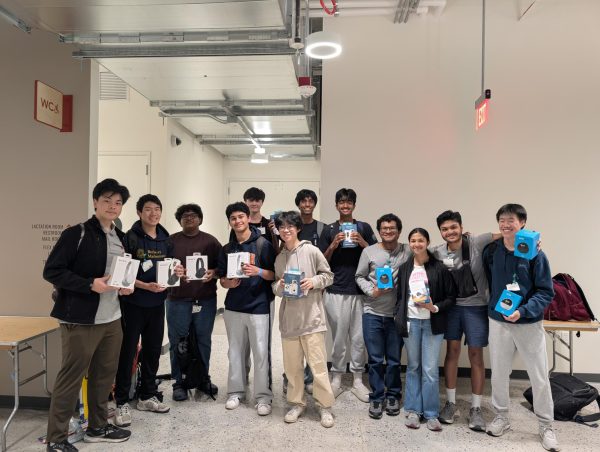
Students from across the Bay Area gathered in Google’s Mountain View location on March 28 for a hackathon focused on coding, design and collaborative problem solving. Organized by students at MVHS as part of MV Hacks, the 12-hour event aims to make technology accessible to participants of all experience levels, including beginners with no experience, according to head director and senior Emily Markova.
This year’s event gives participants the opportunity to work alongside mentors and industry professionals while developing their projects, Jerry Liang, a senior on the design team, said.
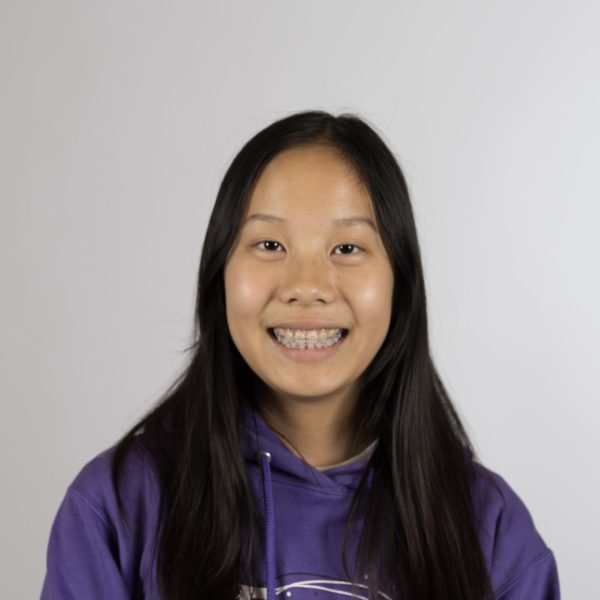
Senior Emily Markova, the head director of Mountain View Hacks, described the venue as an exciting opportunity for participants. Markova said the partnership developed after organizers emailed Google about sponsoring the event.
“When I was talking with Google about a sponsorship, they offered that we could either have a monetary sponsorship or a venue,” Markova said. “For us, the venue just made more sense because that’s one less thing we need to figure out ourselves”
The event ran from 8:30 a.m.-8:30 p.m., giving students a full day to collaborate in teams and develop projects based on a theme. Throughout the hackathon, participants can attend workshops, hear from guest speakers, and receive guidance from mentors.
Senior Nikita Narang, the director of design for MV Hacks, explained that the sheer length of the event may seem daunting at first. However, the team planned “breaks with little games that aren’t really computer science related, or, like, coding or technology related at all,” Narang said.
MV Hacks also differs from traditional hackathons, according to Narang.
“A lot of hackathons kind of start off as just computer science,” Narang said. “But we wanted ours to be more beginner friendly, so you can really use any form of technology, whether it’s design or coding, and try to solve an issue on any idea that you have.”
To support that goal, the hackathon offers hands-on guidance throughout the day, where mentors will be available to answer questions and guide teams.
“I think our biggest priority is making sure the event is really accessible for people regardless of their skill levels,” Markova said. “Some people might be coming in with a lot of coding experience, and others might have none at all.”
For many students, however, the experience goes beyond competition. Liang said one of the most valuable aspects of the event is the opportunity to collaborate with new people
“I met people from different schools, and we still talk.” Liang said. “It was also cool getting to learn a new coding language and just struggle and figure things out together.”
The student team putting it together aims for MV Hacks to provide students with a space to explore technology, build projects and learn in a supportive, collaborative environment.
“I’m hoping that through this hackathon, students can dabble in coding, meet people who are passionate about it… and explore whether this space is for them,” Markova said.